It’s no secret that tiles are the most popular choice for bathroom walls and floors due to their superior hygienic and water-resistant properties compared to other options such as wallpaper, carpets, and most paints.
If you are ready to give your bathroom a fresh new look and want to make sure you get it right the first time, you’ve come to the right place. This is an article for you!
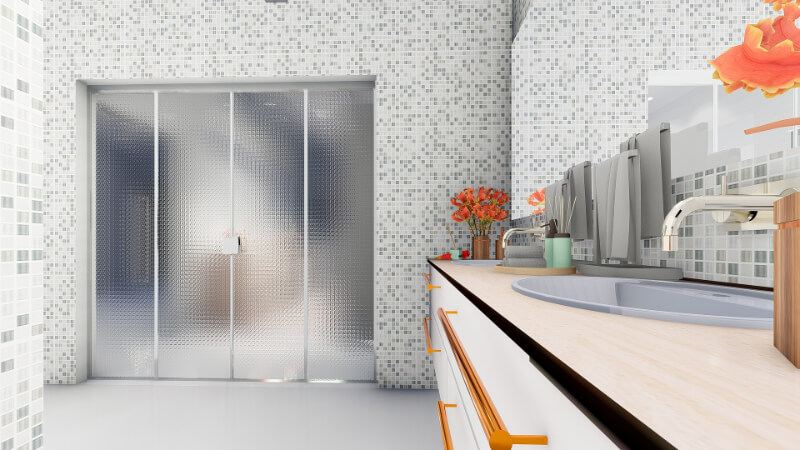
When choosing the best options for your bathroom walls or floors, it’s important to consider three key factors: material, style, and water resistance.
Material:
- Porcelain: These tiles are characterised by their durability. They are highly resistant to wear and aren’t hard to maintain. They frequently come pre-sealed, but occasionally you may find some that will need sealant. Porcelain is ideal for bathrooms since it is fired at a much higher temperature than ceramic, which makes it far harder and less prone to chipping
- Ceramic: This can be glazed or unglazed. In general, glazed ceramic will be the right choice for you if you want a low-maintenance, hassle-free floor.
- Natural Stone: If you are looking for every piece to be unique, then a natural stone is the one for you. Plus, they are natural, non-polluting, and eco-friendly pieces. However, they do need sealant, which represents an added cost.
- Luxury Vinyl: If you have children, click-locking luxury vinyl flooring can also be a good choice. It is 100% waterproof, it looks beautiful, and is extremely practical for children’s bathrooms where large amounts of water are expected. There are also surprisingly realistic stone and wood effects available.
- Glass: Glass tiles are suitable for bathrooms and offer a modern, sleek look, particularly for bathroom walls and the shower area. They can also be used on floors, but textured or matte finishes are recommended for safety reasons. Keep in mind that glass tiles can be trickier to install compared to other materials and may be prone to cracking if exposed to significant temperature fluctuation or poor ventilation.
Style:
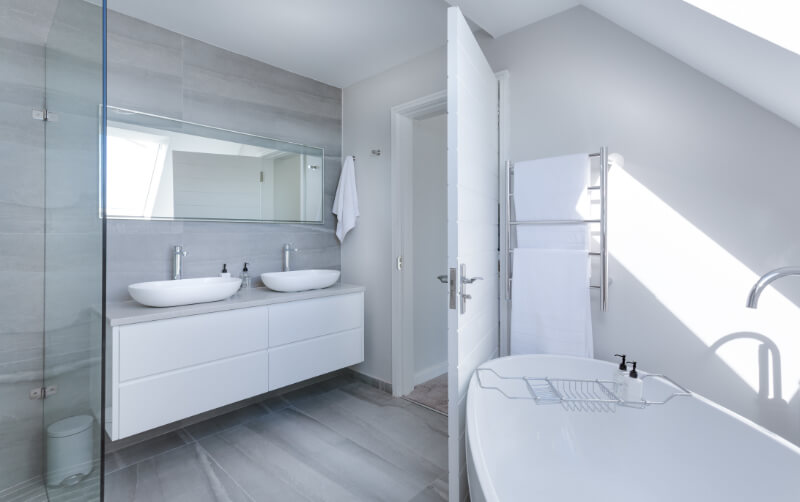
Tiles come in a wide variety of colours, sizes, and shapes, from square and rectangular to octagonal and hexagonal, which makes it a difficult task to choose the ideal ones. Depending on your end goal, light coloured tiles have been found to make spaces bigger, while darker colours will make your bathroom feel cosier.
If you have a small bathroom, you may also be better off going for small to medium-sized tiles since big tiles will create the optical illusion of a smaller space. Bear in mind that this is also true for the use of several different colours and sizes in one bathroom. The busier it is, the more compact it will look. That’s why it’s recommended to use no more than two different styles on a single wall, three if we take into account the floor tiles.
For more examples and inspiration, browse our beautifully designed brochure to discover the wide range of tiles available at Country Ceramics Tiles and Bathrooms.
Water resistance
It’s crucial to understand that all bathroom tiles need to be made from non-porous materials. This means that there are no tiny pores or holes inside tiles that allow liquids or air to pass through. These properties are vital to consider in areas with high moisture levels as they help prevent mould growth and support a healthier environment while ensuring your bathroom looks clean and hygienic for longer.
Glazed ceramic tiles are a good example of water-resistant materials, as they have a waterproof surface. However, their tile body is more porous than porcelain, which typically has a water absorption rate of just 0.5%.
There is a difference between waterproof tiles and water-resistant tiles. Both have distinctive features and are suitable for in-bath areas of sense moisture. These tile types are either naturally non-porous or manufactured to resist water, making them ideal for bathrooms, kitchens, laundry rooms, and outdoor areas.
It’s worth noting that water-resistant tiles are not fully waterproof because they are designed to repel water, but can still allow moisture penetration to some extent over time. They are still a good, reliable choice for your bathroom.
Waterproof Materials:
- SPC (Stone Plastic Composite) Tiles are made from a mix of limestone powder and plastic, which makes these 100% waterproof and durable. They are often used as an alternative to traditional tiles.
- Vinyl tiles are a synthetic flooring option made primarily from PVC (polyvinyl chloride), widely used in residential and commercial settings due to their water resistance, durability, and affordability. Being 100% waterproof, vinyl tiles are ideal for bathrooms.
- Glass tiles are completely non-porous and water-resistant. They look stylish for backsplashes and shower walls and are easy to clean.
Bathroom Wall Tiles
When choosing wall tiles, consider practical factors, such as their suitability for vertical application. For example, you don’t want them to be too large or too heavy. Also, you don’t want them to be too thick. Always check the wall structure to decide whether it can be safely applied in your bathroom.
Did you know that you can often use floor tiles on your bathroom walls? But before you do so, first check if the wall surface (or substrate) can handle the extra load if you need to hang heavier tiles. If that’s the case, you can use special tile blocker boards that provide clean and flat service. These boards can support a maximum weight capacity of 200 kg/m2.
Ceramic or porcelain tiles are typically used on bathroom walls because they are often thinner than floor tiles, as less durability is required. They benefit from being lightweight and are easy to install. They typically range in thickness from 6mm to 10 mm.
Although porcelain is durable, water-resistant, and easy to maintain, it tends to be more expensive and heavier compared to alternatives like vinyl or laminate.
Bathroom Floor Tiles
You’ll want to choose a tile that is hard-wearing, non-slip, and easy to clean, especially for families who need to handle daily splashes and moisture effectively.
Matte or textured porcelain tiles offer exceptional traction in wet areas, making them perfect for bathroom floors for children and the elderly.
Easiest to Clean? The most reliable options are ceramic and porcelain tiles. For example, cost-effective, glazed ceramic tiles have a special coat that repels stains, while porcelain tiles absorb less than 1% of water, making them naturally resistant to stains and moisture. Both ceramic tiles and porcelain are excellent choices that come in a variety of designs to match your unique style.
Budget-Friendly Tiles?
Vinyl is a comfortable and the most budget-friendly option for your bathroom flooring. However, bear in mind that vinyl is not heat-resistant, and its flexibility means it can’t be used for wall applications. Additionally, it may not offer the same stylish finish as other materials, which could potentially lower your home’s value when it comes time to sell.
Get in Touch
Hopefully, you now have a better understanding of different tile options for your bathroom walls and floors. For more expert advice and to explore our full range, visit our showroom or book an appointment. Don’t skip a professional consultation with our tile specialist if you’re unsure which tiles are best for your bathroom. We’re here to help you make informed decisions.
The Country Ceramics and Bathroom team is extensively qualified in the supply and fit of a wide range of floor and wall tiles and can give you advice on your best options while enabling you to get creative and incorporate your ideas into the design of your perfect bathroom. Get in touch to visit our showroom in Lutterworth.
Posted in News, Tiles & Flooring
